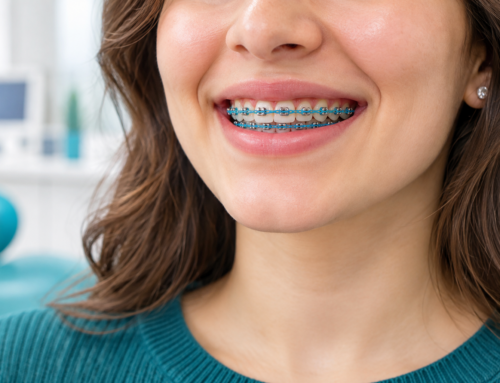
A braces appointment can feel like a small event on your calendar: you plan the trip, make time for the visit, and wonder whether your orthodontist will tighten the wire. If you have ever asked, “How often should I get my braces adjusted?” you are not alone. Regular visits help your orthodontist check how your teeth are moving, assess your bite, and decide whether your braces need a change.
For many patients, adjustment visits are scheduled about every six to eight weeks. That is the interval Clemente Orthodontics lists for most braces patients. It is a useful guide, not a rule for every mouth. Your schedule may change with your treatment stage, the way your teeth respond, the type of appliance you wear, and any concerns that need attention. Your orthodontist is the right person to set the interval for your individual treatment.
It also helps to understand what people mean when they say their braces are being “tightened.” The appointment may involve changing or adjusting an archwire, replacing elastic ties, checking brackets, or making another planned change. The goal is controlled tooth movement—not simply applying as much pressure as possible.
Key Takeaways
- Most Clemente Orthodontics braces patients are seen for adjustments every six to eight weeks.
- Not every visit involves a wire change or the same amount of tightening.
- Mild pressure or soreness after an adjustment can happen and usually settles within a few days.
- Keep scheduled appointments and contact your orthodontist if a bracket breaks, a wire pokes, or pain is severe or persistent.
What Is the Recommended Braces Adjustment Schedule
For most patients, braces adjustment appointments take place every six to eight weeks. At Clemente Orthodontics, these visits are used to review progress, make any needed changes to wires or elastics, and answer patient questions. The practice notes that a typical adjustment appointment takes about 20 to 40 minutes.
The interval is based on your treatment plan. Teeth move in response to gentle, controlled forces, and the orthodontist needs to allow time for the supporting tissues to respond. Coming in much earlier does not automatically make teeth move faster. In the same way, waiting longer than advised can mean that a problem or a needed treatment change goes unchecked.
Some patients may have a different appointment rhythm. The American Association of Orthodontists describes adjustment or aligner-check visits at intervals that can range from four to twelve weeks depending on the stage of treatment. Its patient guidance also notes that many visits are scheduled every six to ten weeks. These ranges show why your own orthodontist’s instructions matter more than a general online timetable.
If you are unsure when to return, check the date given at your last visit or contact the practice. Do not try to set your own tightening schedule based on how your teeth feel. A lack of soreness does not mean your braces need an adjustment, and soreness does not mean you should book an extra tightening appointment.
Why Do Braces Need Regular Adjustments?
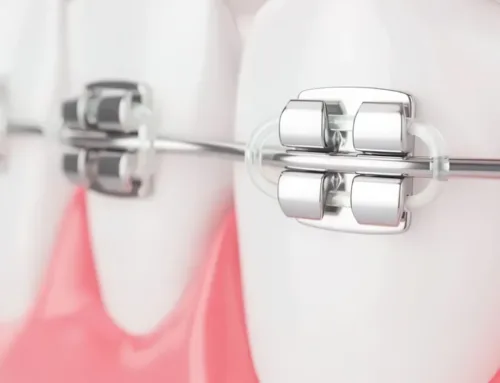
Braces use brackets and archwires to guide teeth toward planned positions. The wire applies a measured force through the brackets, while the orthodontist monitors how the teeth and bite respond. As treatment progresses, the orthodontist may adjust the wire, replace elastic ties, add or change elastics, or make another change that suits the next stage.
Regular appointments are also checkups. Your orthodontist can look for loose brackets, bent wires, irritation, changes in your bite, and signs that your teeth or gums need extra attention. This is important because orthodontic treatment is not only about making teeth look straighter. The aim is to improve tooth alignment and how the upper and lower teeth meet, while keeping the mouth healthy.
A visit may involve no major wire change at all. Your orthodontist might decide that the current wire is doing its job and that the safest next step is to continue with the plan. That is still a useful appointment: progress is assessed, your oral health is checked, and any concerns can be discussed.
If you want to understand the treatment options available, Clemente Orthodontics explains its orthodontic services, including braces, Invisalign, early treatment, and retention options. The right appliance and follow-up plan depend on an in-person assessment.
What Happens During a Braces Tightening Appointment?
A routine adjustment is usually straightforward. Your orthodontic team may begin by asking how your braces have felt since the last visit. Tell them about soreness, rubbing, loose brackets, broken wires, trouble eating, or difficulty keeping the teeth clean. Mention any changes even if they seem minor.
The orthodontist or trained team member then checks your braces and the progress of your teeth. Depending on your treatment plan, the appointment may include one or more of the following:
– Checking brackets and bands to make sure they remain attached.
– Removing or replacing elastic ties that hold the wire in place.
– Changing the archwire or adjusting the existing wire.
– Reviewing or changing elastics that connect the upper and lower teeth.
– Checking your bite and the direction of tooth movement.
– Giving advice about cleaning, food choices, or discomfort.
Not every patient receives every step at every visit. The type of adjustment depends on what your orthodontist sees and what your treatment needs at that stage. You may feel pressure while the wire or elastics are changed, but the procedure should not be an attempt to force teeth into position in one appointment.
Before you leave, make sure you understand your next appointment date and any instructions. If you wear elastics, ask the team to show you exactly where they attach and how often you should change them. Follow the instructions you are given rather than copying another patient’s routine.
Does Braces Tightening Hurt?
It is common to notice pressure, tenderness, or mild soreness after braces are adjusted. This happens because the appliance has been changed and your teeth are responding to the forces being used to guide them. The level of discomfort varies. Some people notice only a little pressure, while others find chewing uncomfortable for a short time.
The American Association of Orthodontists explains that temporary discomfort can occur after adjustments and usually eases as the mouth adapts. Soft foods may be more comfortable for a short period. Options such as yogurt, eggs, soup that is not too hot, pasta, mashed vegetables, and smoothies can be easier to eat than crunchy or chewy foods.
If a bracket or wire rubs the inside of your cheek, orthodontic wax may help protect the irritated area. Use it as directed by your orthodontic team. If you are considering an over-the-counter pain reliever, follow its label and check with a parent, caregiver, pharmacist, or clinician as appropriate for your age and health circumstances.
Pain that is severe, getting worse, or not settling after a few days should not simply be ignored. Contact your orthodontist for advice. A sharp wire, a loose bracket, swelling, or an injury may need attention rather than being treated as ordinary post-adjustment soreness.
What Can Affect Your Adjustment Schedule?
Your orthodontist considers several factors when deciding how often to see you. The schedule is personal, and it can change during treatment.
Stage of treatment: Early appointments may focus on initial alignment. Later visits may involve different wires, bite correction, or finishing details. The type of change needed can affect when the next visit is planned.
How your teeth respond: Tooth movement is biological and differs between patients. Your orthodontist checks progress rather than assuming every patient will respond at the same speed.
Type of appliance: Traditional metal braces, clear ceramic braces, and other orthodontic appliances do not always follow identical review schedules. Patients using clear aligners also have monitoring visits, but those are not the same as tightening a fixed wire.
Broken or damaged parts: A loose bracket or wire can affect how the appliance works. Contact the office if something breaks; the team will tell you whether you need an earlier visit or can wait until the scheduled appointment.
Oral health and hygiene: Brackets and wires create extra places where food and plaque can collect. Your orthodontist may need to review cleaning habits or gum health as part of treatment monitoring. The National Institute of Dental and Craniofacial Research recommends brushing twice daily with fluoride toothpaste, cleaning between teeth daily, and having routine dental checkups. See its oral hygiene guidance.
Attendance and instructions: Missed appointments can interrupt monitoring and may delay planned treatment steps. Wearing prescribed elastics as directed and caring for your appliance also help your orthodontist assess progress at each visit.
Typical Braces Adjustment Timeline
The table below is a general planning guide, not a personal treatment prescription. Your orthodontist may recommend a different interval based on your needs.
| Appointment stage | What may happen | What you should do |
| Before the visit | You may notice pressure, a loose part, or no symptoms at all | Note concerns and bring questions |
| During the visit | The team checks progress and may adjust wires or elastics | Explain discomfort or appliance problems |
| First few days after | Temporary tenderness or pressure may occur | Choose comfortable foods and follow care advice |
| Between visits | Teeth continue responding to the appliance | Clean carefully and follow elastic instructions |
| Next scheduled visit | Progress and oral health are reviewed again | Attend on time or call to reschedule |
| Appointment stage | What may happen | What you should do |
|—|—|—|
| Before the visit | You may notice pressure, a loose part, or no symptoms at all | Note concerns and bring questions |
| During the visit | The team checks progress and may adjust wires or elastics | Explain discomfort or appliance problems |
| First few days after | Temporary tenderness or pressure may occur | Choose comfortable foods and follow care advice |
| Between visits | Teeth continue responding to the appliance | Clean carefully and follow elastic instructions |
| Next scheduled visit | Progress and oral health are reviewed again | Attend on time or call to reschedule |
A practical habit is to add the next appointment to your calendar before leaving the office. If school, work, travel, or family commitments make the date difficult, call early to discuss another suitable time. Avoid leaving the appointment unbooked and assuming you will remember to arrange it later.
What If You Miss a Braces Adjustment?
If you miss an appointment, contact your orthodontic office as soon as you can and ask for the next available time. Do not try to compensate by tightening anything yourself, bending a wire, or changing elastics without instructions. Braces are designed to work as part of a treatment plan, and unplanned changes can cause harm or interfere with tooth movement.
One missed appointment does not mean your treatment has failed. The effect depends on how long the delay is, what stage you are at, and whether your appliance has a problem. Your orthodontist can review the situation and decide whether the treatment plan needs to change.
If a bracket has come loose or a wire is poking you, tell the office when you call. These issues may need different timing from a routine adjustment. If the problem causes significant injury, swelling, or severe pain, seek prompt professional advice rather than waiting for the next routine visit.
For patients who are considering braces or are already in treatment, the practice’s braces treatment page outlines its approach to regular checkups, appliance care, and common questions. Use the page as general information, then confirm your own schedule with your orthodontist.
How to Care for Your Braces Between Appointments
Your daily habits matter between adjustment visits. Brushing and cleaning around brackets helps remove food and plaque that can collect around the appliance. Use a soft toothbrush and fluoride toothpaste, and follow your orthodontist’s instructions for cleaning around wires and between teeth. Interdental brushes or a floss threader may make it easier to reach tight spaces.
Food choices can also protect your braces. Sticky foods can pull at brackets, while very hard or crunchy foods can damage wires or attachments. Cut firm foods into smaller pieces and avoid biting directly into hard items. If you play contact sports, ask your orthodontist about a suitable mouthguard.
If your orthodontist has prescribed elastics, wear them exactly as instructed. Do not wear extra elastics to try to speed up treatment, and do not stop wearing them because your teeth feel sore unless your orthodontist tells you to. The same rule applies to any other appliance or home-care instruction: follow your own plan.
Clemente Orthodontics also provides teen orthodontic care, with guidance for young patients and families managing treatment alongside school and daily activities. Regardless of age, ask the team to demonstrate any cleaning or appliance-care step that is unclear.
When Should You Contact Your Orthodontist Between Visits?
You do not need to wait for the next scheduled adjustment if you have a problem with your appliance. Contact your orthodontic office if a bracket becomes loose, a wire breaks or starts poking, a band comes off, or an appliance is damaged. Explain what happened and whether you are in pain. The team can advise whether you need an earlier appointment and what to do safely in the meantime.
A small amount of pressure after an adjustment is different from a sharp wire repeatedly cutting your cheek or a broken bracket that has detached. Do not pull at wires or try to remove parts with household tools. If a piece comes off, keep it and bring it to the appointment if the office asks you to.
Seek urgent medical or dental care if you have a serious injury, uncontrolled bleeding, difficulty breathing or swallowing, or significant facial swelling. These symptoms are not routine effects of braces tightening.
If you are uncertain whether a concern can wait, call the practice and describe it. A quick conversation can help you decide on the right next step.
Illustrative Patient Scenarios
The following examples are fictional teaching scenarios. They are not Clemente Orthodontics patient stories or reports of actual treatment outcomes.
Scenario 1: A teenager with a routine adjustment. A teenager attends a planned appointment after several weeks in braces. The orthodontist checks the brackets and how the teeth are responding. The wire and elastic ties are adjusted according to the treatment plan. The teenager feels some pressure later that day and chooses softer foods for a short time. The key lesson is that a routine visit may involve several small checks and changes, and temporary tenderness can be part of the process.
Scenario 2: An adult with a loose bracket. An adult patient notices that one bracket moves while eating. Rather than waiting several weeks or trying to press it back into place, the patient contacts the orthodontic office. The team asks about the location and symptoms, then advises whether an earlier repair visit is needed. The key lesson is that a damaged appliance should be reported; it should not be treated as a normal tightening issue.
These examples show why the adjustment schedule and the repair schedule are not always the same. Routine appointments are planned in advance. Unexpected appliance problems should be discussed with the orthodontic team when they occur.
How Clemente Orthodontics Supports Your Treatment
Orthodontic care involves more than changing a wire. It includes reviewing tooth movement, checking the health of your teeth and gums, answering questions, and helping you understand what to expect at each stage. Clemente Orthodontics serves patients in New York and New Jersey and offers treatment options for children, teens, and adults.
If you are already wearing braces, follow the appointment schedule provided by your orthodontist. If you are exploring treatment, a consultation can help you understand which options may suit your bite, dental needs, and preferences. You can learn more about the practice’s orthodontic treatment stages and discuss your questions with its team.
A steady routine, good home care, and open communication make the process easier to manage. If you have a question about your next adjustment, contact your orthodontic office rather than guessing at the right timing.
Adjustment Visits vs. Repair Visits
These appointments serve different purposes. A routine adjustment follows your treatment plan; a repair visit responds to an unexpected appliance problem.
| Visit type | Why it is needed | When to contact the office |
| Routine adjustment | Review progress and make planned changes to wires or elastics | Attend on the date provided by your orthodontist |
| Repair visit | Address a loose bracket, broken wire, or damaged appliance | Call when the problem happens; the team will advise timing |
| Urgent assessment | Evaluate serious injury, significant swelling, or severe symptoms | Seek prompt professional care |
FAQs
How often should you get your braces adjusted?
Many patients have adjustment visits every six to eight weeks. Clemente Orthodontics gives this as its typical interval for braces patients, but your orthodontist may set a different schedule based on your treatment.
Do braces need to be tightened every month?
Not necessarily. Some patients are seen more often, while others have longer intervals. Follow the schedule your orthodontist gives you rather than assuming monthly tightening is required.
How long does a braces adjustment appointment take?
Clemente Orthodontics says its adjustment appointments typically take about 20 to 40 minutes. The time depends on what needs to be checked or changed.
Does tightening braces hurt?
You may feel pressure or tenderness during or after an adjustment. Mild soreness is common and usually eases over a few days. Contact your orthodontist if pain is severe or persistent.
What happens if I do not get my braces adjusted on time?
A delay can interrupt progress checks and postpone planned treatment changes. Call your orthodontic office to reschedule and ask whether the delay affects your specific plan.
Do orthodontists tighten braces at every appointment?
No. Some visits may involve checking progress, assessing oral health, or replacing elastic ties. Your orthodontist decides whether the wire or another part needs adjustment.
Can I tighten my braces at home?
No. Never try to tighten wires, move brackets, or change your appliance yourself. Contact your orthodontist if something feels loose or damaged.
Why do my teeth feel loose after braces are tightened?
Some patients notice temporary pressure or a different sensation as teeth respond to orthodontic forces. If you are worried, or notice significant mobility or pain, contact your orthodontist for an assessment.
Should I eat before getting my braces tightened?
If eating beforehand is comfortable for you, you may prefer to have a meal before the visit because your teeth could feel tender afterward. Follow any specific instructions from your orthodontic office.
What should I do if a wire breaks between adjustment visits?
Contact your orthodontist promptly and explain what has happened. Do not cut, pull, or bend the wire yourself. The office will advise whether you need an earlier visit.

Medically reviewed by:
The Orthodontic Team at Clemente Orthodontics
November 27, 2026
At Clemente Orthodontics our expert dental team takes great care in providing orthodontic treatment and Invisalign solutions for our patients.