If you’ve ever caught yourself wondering whether it’s “too late” to fix your smile you’re not alone. Adults walk into orthodontic offices every day carrying that same quiet question. The good news? Age is rarely a deciding factor for orthodontic treatment, and you are never too old to pursue it. But here’s something worth understanding: while braces work beautifully at any age, the way they work and what your treatment journey looks like genuinely differs between a child and an adult.
This isn’t a reason to hesitate. It’s a reason to go in informed.
Whether you’re a parent deciding whether now is the right time for your child’s first consultation, or an adult who’s been putting this off for years, understanding the biology and practical differences between children’s and adults orthodontics will help you make a confident decision.
Key Takeaways
- Adult bones are denser and fully developed, which affects how teeth move and how long treatment takes
- Children can benefit from early intervention that shapes jaw growth an option unavailable to adults
- Adults have more discreet treatment options and are often highly compliant patients
- Both children and adults can achieve excellent, lasting results with modern orthodontic care
Why Biology Matters: The Role of Bone in Orthodontic Treatment
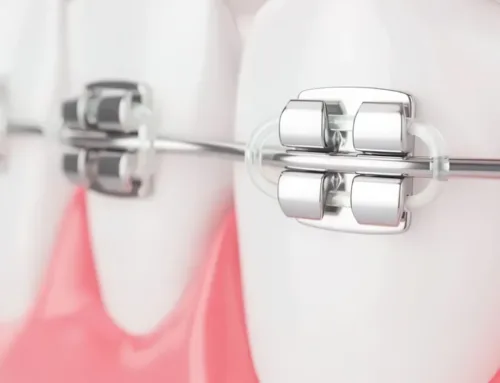
Before anything else, it helps to understand what braces actually do. Whether you’re 9 or 49, the fundamental mechanics are the same: braces apply controlled, continuous pressure to teeth, triggering a process called bone remodeling where bone is gradually broken down on one side of the tooth and rebuilt on the other, allowing the tooth to shift into its new position.
Bone density plays a major role in how fast teeth move. Dense bone resists change people with higher bone density often experience slower tooth movement. This is common in adults, whose bones are well developed and firm.
The biggest difference in orthodontics for adults vs. children and teens is that adults are no longer growing. While this won’t impact the success of treatment, adult treatment may take slightly longer than that of a child with a similar problem, due to the maturity and density of adult bone tissue.
For children, this is actually an advantage. Because their jawbones are still developing, an orthodontist can harness that natural growth guiding it in ways simply not possible once skeletal maturity is reached.
Early Intervention: The Unique Window for Children
For children, orthodontic treatment isn’t just about straightening teeth that have already come in it’s about shaping what comes next.
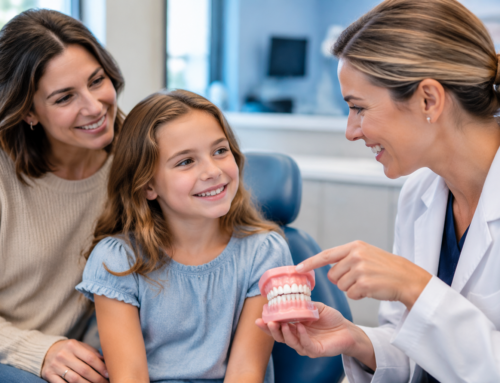
The American Association of Orthodontists recommends that children receive their first orthodontic evaluation by age 7. At this stage, the mix of baby and permanent teeth gives an experienced orthodontist critical insight into how the jaw is developing, whether there’s adequate space for incoming teeth, and whether growth is on track.
This is where treatments like palatal expanders come in. By gently widening the upper jaw while it’s still malleable, expanders can create room for permanent teeth, correct crossbites, and reduce the likelihood of extractions or surgery later on. These devices work because the jaw’s growth plates are still open they don’t work this way in adults, whose palatal suture has fused.
Case Study 1 Early Intervention in a 9-Year-Old
A young patient came in with a moderate crossbite and crowding. Rather than waiting for all permanent teeth to erupt, the orthodontist placed a palatal expander at age 9, worn for 10 months. By the time full braces were placed two years later, the arch had sufficient space for all permanent teeth without any extractions. Total active treatment time: 16 months. Without early intervention, the same correction in adulthood would have likely required orthognathic surgery.
This “Phase 1” or interceptive orthodontic approach is one of the most valuable tools in pediatric orthodontics and it’s one that closes with time. Adults can still achieve beautiful smiles, but the jaw-shaping phase is behind them.
Treatment Timelines: What to Realistically Expect
One of the most common questions both children and adult patients ask is: How long will this take?
| Factor | Children & Teens | Adults |
|---|---|---|
| Average treatment duration | 12–24 months | 18–36 months |
| Bone flexibility | Softer, more adaptable | Denser, slower to remodel |
| Jaw growth | Still developing | Fully complete |
| Phase 1 option | Yes (age 7–10) | Not applicable |
| Compliance factor | Variable (child-dependent) | Generally high |
| Retention needs | Retainer, usually removable | Retainer, often permanent |
The timeline difference comes down to biology, not effort. Healthy teeth can be moved at any age because it’s the same physiological process it simply takes longer in denser bone. Adults who go in expecting 12-month treatment because their teenager had that experience often feel surprised. Setting realistic expectations from the start leads to a much better treatment experience.
Discreet Options: Why Adults Have More Choices Than Ever
One of the biggest reasons adults avoided orthodontics for decades was visibility. The idea of spending two years in metal braces at 35 or 45 was a non-starter for many professionals and parents. That barrier is largely gone.
With one-in-three orthodontic patients over the age of 18, the number of adults seeing an orthodontist is at an all-time high. Modern orthodontics has responded with a range of treatment options designed specifically with adult lifestyles in mind.
| Option | Children | Teens | Adults | Notes |
|---|---|---|---|---|
| Traditional metal braces | ✅ Most common | ✅ Common | ✅ Available | |
| Ceramic/clear braces | Rarely used | ✅ Popular | ✅ Very popular | |
| Invisalign clear aligners | Limited cases | ✅ Teen version | ✅ Most popular | |
| Lingual braces (behind teeth) | Not recommended | Rarely | ✅ Available | |
| Palatal expanders | ✅ Common | Early teens only | ❌ Not effective | Growth-dependent |
| Accelerated orthodontics | Less common | ✅ | ✅ |
Invisalign has become the preferred choice for many adultsclear, removable, and barely noticeable in professional settings. Clear aligners are removable for meals and meetings, while braces that cause minor soreness after adjustments can be managed easily.
For adults who want completely hidden treatment, invisible braces including lingual braces bonded to the back surfaces of teeth offer a fully concealed option.
Oral Health Considerations: Adults Need Extra Screening First
This is one area where adult orthodontic treatment genuinely requires more preparation. Children starting treatment typically have healthy, unrestored teeth and gums in good shape. Adults often bring a more complex oral health picture.
Orthodontic treatment for adults is different in two important respects: for one thing, the growth and development of the jaws is complete in adults. Secondly, periodontal (gum) disease is more prevalent in adults than in children.
Before adult orthodontic treatment begins, any active gum disease, cavities, or existing dental restorations need to be addressed. Adults on certain medications (such as bisphosphonates for bone loss) may also need their prescribing physician involved before treatment starts.
According to the National Institute of Dental and Craniofacial Research, untreated dental conditions in adults are widespread making this pre-treatment screening step not just routine, but genuinely important.
Retention: Why Adults Need to Be More Vigilant
Treatment ending is not the same as treatment being done. The retention phase keeping your teeth in their new positions is where many patients, particularly adults, are caught off guard.
Children’s teeth tend to stabilize more naturally after treatment because their bones are still forming. Adults, by contrast, face a stronger tendency for teeth to drift back (called relapse). This is especially true in the lower front teeth, where crowding tends to recur over decades.
As a result, adults are more frequently recommended permanent bonded retainers a thin wire fixed to the back of the front teeth in addition to removable nighttime retainers. This is not a reflection of treatment failure. It’s simply biology.
After completing active adult orthodontic treatment, Clemente Orthodontics creates a customized retention plan for every patient.
The Psychology of Adult Orthodontics
Here’s something the clinical comparisons don’t capture: adults and children experience orthodontics emotionally very differently.
Children often begin treatment because a parent made the appointment. Adults come in by choice which means they tend to be more motivated, more compliant, and more grateful for the results. They’re not wearing braces because they have to. They’re wearing them because they finally decided to.
Case Study 2 Adult Patient After Decades of Hesitation
A 42-year-old patient had overcrowding and a prominent overjet that had bothered her since her teens. After her children completed treatment at Clemente Orthodontics, she decided it was finally her turn. She chose ceramic braces and completed treatment in 22 months. Her chief concern going in was professional visibility by the end of month 3, she said she’d forgotten she was wearing them. Her result: fully corrected crowding, improved bite function, and her first photos in years where she smiled with her mouth open.
Adults often report that orthodontic treatment is one of the most worthwhile investments they’ve made in themselves not just aesthetically, but in terms of oral health, jaw comfort, and confidence.
Ready to Take the Next Step?
Whether you’re 7 or 70, booking a complimentary consultation is the clearest way to understand what your treatment would actually look like. Every smile is different, and a personalized evaluation gives you a real roadmap timeline, options, and expectations not just a general answer.
FAQs
- Is it too late for adults to get braces?
No. Regardless of your age, you are never too old for orthodontic treatment. As long as your teeth and gums are healthy, braces or aligners can achieve excellent results at any age.
- Why does adult orthodontic treatment take longer than a child’s?
Adult bones are denser and resist change more than a child’s still-developing bone. This means teeth move more slowly, which extends the overall treatment timeline. Most adult treatments range from 18 to 36 months.
- What is early orthodontic treatment and does my child need it?
Early or Phase 1 orthodontics treats jaw development issues in children as young as 7–10, while growth is still occurring. It’s not needed for every child, but for those with crossbites, significant crowding, or jaw discrepancies, it can prevent much more complex treatment later.
- Can adults get Invisalign instead of braces?
Yes Invisalign is one of the most popular choices for adult patients. It offers a nearly invisible, removable alternative to traditional braces and works well for a wide range of alignment issues.
- Do adults need permanent retainers after orthodontic treatment?
More often than children, yes. Adults have a stronger tendency for teeth to drift back after treatment, so permanent bonded retainers on the lower front teeth are frequently recommended alongside removable nighttime retainers.
- Can adults use palatal expanders?
No. Palatal expanders work by gradually widening the jaw while the palatal suture is still open typically before age 14 or so. Once the palate has fused in adulthood, expanders are no longer effective and jaw-widening would require surgery if needed.
- Does gum disease disqualify an adult from getting braces?
Not necessarily but active gum disease must be treated and stabilized before orthodontic treatment begins. Once periodontal health is established, most adults are good candidates for treatment.
- How much longer does adult treatment take compared to teens?
On average, teens complete treatment in 12–24 months; adults typically take 18–36 months. The range depends on the complexity of the case, not just age.
- Are there orthodontic options adults can wear to work without anyone noticing?
Yes. Ceramic braces, Invisalign clear aligners, and lingual braces (bonded behind the teeth) are all designed to be highly discreet. Many adult patients report that colleagues and coworkers don’t notice them at all.
- What’s the first step if an adult wants to start orthodontic treatment?
A complimentary consultation with an orthodontist is the ideal starting point. The evaluation will assess bone health, gum condition, alignment issues, and help determine which treatment option fits your lifestyle and goals.

Medically reviewed by:
The Orthodontic Team at Clemente Orthodontics
November 24, 2026
At Clemente Orthodontics our expert dental team takes great care in providing orthodontic treatment and Invisalign solutions for our patients.