 Yes, many adults with a history of gum disease can still straighten their teeth safely, as long as the disease is treated first and kept under control throughout orthodontic care. Periodontal disease affects the gums and bone supporting your teeth, so moving teeth through that compromised foundation calls for careful planning, lighter forces, and closer monitoring than a typical case. With the right sequence and the right team, orthodontic treatment can be part of protecting your oral health rather than a risk to it.
At Clemente Orthodontics, we work closely with periodontists and general dentists to build treatment plans for adults with gum concerns. Our team adjusts orthodontic treatment to accommodate periodontal needs, coordinating each step with the providers who manage your gum health so that tooth movement only happens when your foundation is ready for it.
How Gum Disease Changes the Way Teeth Move
Periodontal disease weakens the foundation supporting your teeth by breaking down gum tissue and the bone around the roots. Gum recession, one of its common effects, is widespread among adults: a review published in the Journal of the American Dental Association found that about 50% of people between 18 and 64 have at least one site of recession. When teeth move during orthodontic treatment, they shift through bone and tissue, and if that support is already reduced, moving teeth without precautions can worsen bone loss and recession.
Having periodontal issues does not automatically rule out orthodontic treatment. In many cases, properly aligned teeth are easier to brush and floss thoroughly, which can make it easier to keep plaque and inflammation under control over the long term. The key is making sure your periodontal condition is stable before treatment begins and stays that way until it ends.
Signs Your Teeth Have Shifted Because of Gum Disease
Some adults first consider orthodontics because teeth that were once straight have started to move. When bone support is lost, front teeth can fan outward, new gaps can open between teeth that used to touch, and teeth can tip or drift into spaces left by missing teeth. You may also notice teeth that feel slightly loose, gums that look longer around certain teeth, or a bite that feels different than it used to.
These changes are worth taking seriously, because they often mean the underlying gum disease needs attention before anything else. Once the periodontal condition is treated and stable, orthodontic treatment can often reposition drifted teeth, close gaps, and create a more even bite that spreads chewing forces across more teeth. Our overview of adult orthodontics explains the broader options available to patients who start treatment later in life.
What the Treatment Sequence Usually Looks Like
Your orthodontist and periodontist work together to evaluate the health of your gums and bone. This typically includes measuring pocket depths around your teeth, assessing bone levels on x-rays, and checking for active infection or inflammation. Active periodontal disease needs to be treated before orthodontic work begins, and many providers prefer to see a period of stable maintenance first so that tooth movement starts on a healthy foundation.
Once treatment begins, patients with periodontal issues need gentler, more controlled tooth movement. Orthodontists may apply lighter forces to avoid stressing compromised bone, and the overall timeline may be longer so that bone and gums have time to adapt. Some tooth movements that are routine in a healthy mouth may be limited or avoided entirely when support around a tooth is reduced.
Choosing Between Aligners and Braces
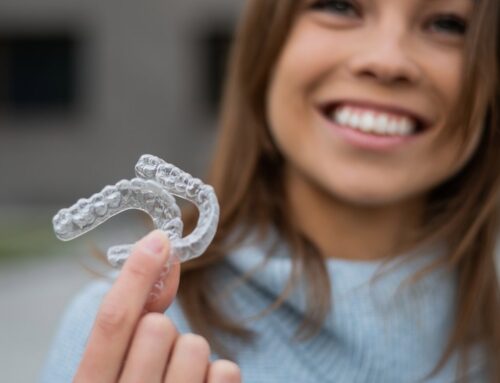
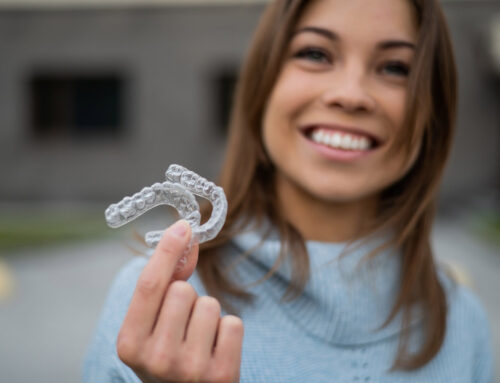
Clear aligners such as Invisalign® are often a good fit for patients with periodontal concerns because the trays come out for brushing and flossing, which makes thorough cleaning much easier throughout treatment. Removable aligners also avoid brackets and wires that can trap plaque along the gumline. That said, aligners are not automatically the right choice for every case, and the decision depends on which teeth need to move and how much support they have.
When braces are the better option, modifications may include smaller brackets, careful wire selection, or limiting the extent of tooth repositioning. Some patients benefit from temporary anchorage devices, which are small screws placed in the bone to support tooth movement without putting extra pressure on neighboring teeth with reduced support.
Staying Healthy During Treatment
Successful orthodontic treatment for patients with periodontal issues depends on close collaboration between your orthodontist, periodontist, and general dentist. Your periodontist continues treating and monitoring your gums while your orthodontist moves your teeth, and both providers communicate about your progress along the way.
Excellent oral hygiene becomes even more important during this time. Your orthodontist will show you how to clean around your appliances, and your periodontist may recommend more frequent professional cleanings. More frequent monitoring appointments help catch early signs of bone loss, recession, or inflammation. If periodontal problems flare during treatment, tooth movement may be paused until the condition is back under control.
Why Retention Matters More With Reduced Bone Support
Teeth with less bone around them are more prone to shifting after treatment ends, so retention is especially important. Consistent retainer wear helps hold results in place, and your orthodontist may recommend a bonded retainer behind the front teeth for continuous support. Our comparison of removable and permanent retainers explains the trade-offs of each option.
Get Coordinated Gum-Conscious Care at Clemente Orthodontics
If you have periodontal concerns and want to improve your smile, a carefully planned orthodontic approach can help you reach your goals safely. With proper sequencing, collaboration between dental professionals, and modified treatment techniques, patients with a history of gum disease can enjoy the benefits of a straighter, healthier smile.
As a Sapphire Invisalign® Provider, Clemente Orthodontics is among the top 1% of Invisalign® providers in the country and the number one Invisalign® provider in New York and New Jersey. Our experienced team works closely with periodontists and general dentists to provide comprehensive care for patients with complex needs, including those with periodontal disease. We serve patients throughout the region from our convenient locations in Ridgewood, NJ, New City, NY, and Woodcliff Lake, NJ. Meet our orthodontists to learn how we can create a customized treatment plan for your situation, or contact us today to schedule a complimentary consultation.
Frequently Asked Questions About Orthodontics and Gum Health
Can I get braces or Invisalign® if I have gum disease?
In many cases, yes. Active gum disease needs to be treated and brought under control first. Once your periodontist confirms your gums and supporting bone are stable, orthodontic treatment can be planned around your specific needs.
Can moving my teeth make gum recession worse?
It can if teeth are moved too quickly or through weakened bone without precautions. That is why patients with a history of gum disease are treated with lighter forces, a slower pace, and more frequent check-ins so any changes in the gums can be caught early.
Can orthodontics fix front teeth that have spread apart from gum disease?
Often, yes. Once the gum disease is treated and stable, orthodontic treatment can move flared or drifted teeth back into a better position and close gaps. Long-term retention is usually needed to keep them there.
Do I need to see a periodontist before starting orthodontic treatment?
If you have a history of gum disease, bone loss, or significant recession, an evaluation by a periodontist or your general dentist is an important first step. Your orthodontist will coordinate with them so treatment begins only when your gums are ready.
Why is wearing a retainer so important after treatment if I have gum problems?
Teeth with less bone around them are more likely to drift after treatment ends. Consistent retainer wear, and in some cases a permanent retainer bonded behind the teeth, helps hold your new smile in place over the long term.
About the Author
Founder, Clemente Orthodontics
Dr. Michael Clemente earned his D.M.D. from Rutgers and a certificate in Orthodontics and Dentofacial Orthopedics. He has practiced orthodontics for more than 50 years, served as an Air Force Captain, and founded the multigenerational family practice now joined by his three daughters.

Medically reviewed by:
The Orthodontic Team at Clemente Orthodontics
October 19, 2026
At Clemente Orthodontics our expert dental team takes great care in providing orthodontic treatment and Invisalign solutions for our patients.