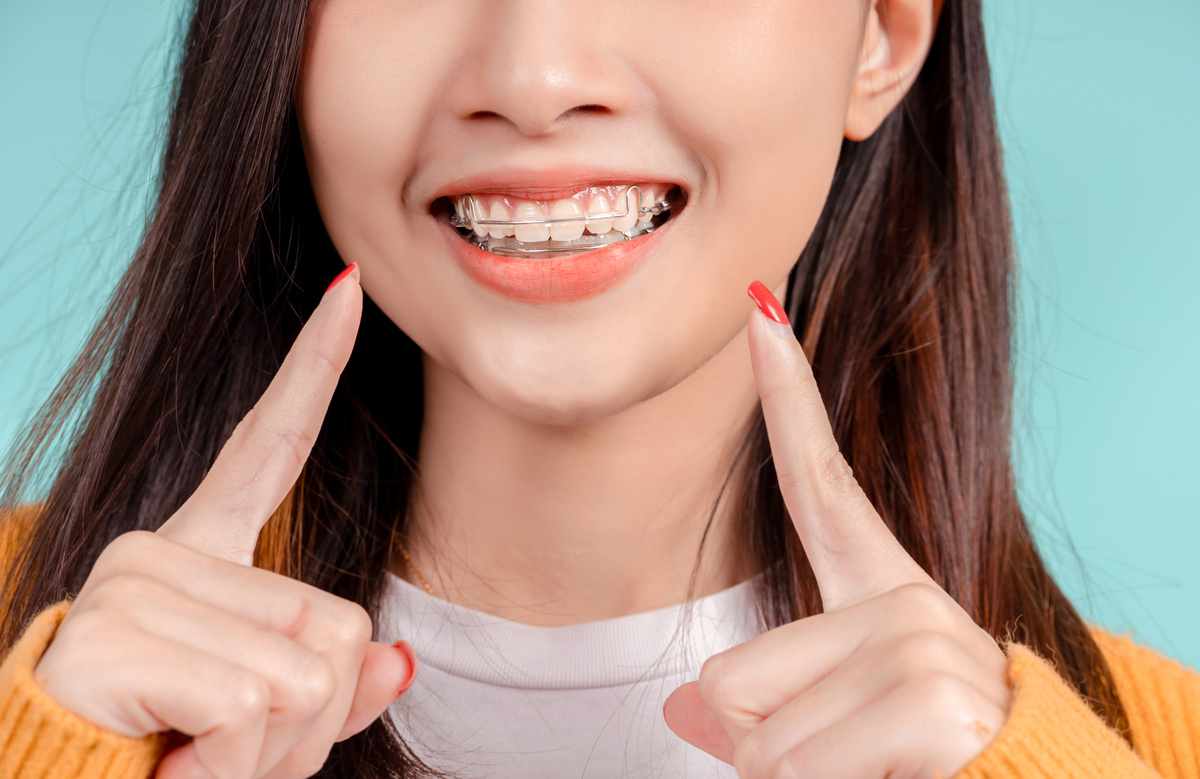
 Completing your Invisalign® treatment is an exciting milestone, but maintaining your new smile requires ongoing commitment. Your teeth have a natural tendency to shift back toward their original positions, a process called relapse. Without proper retention and care, you could lose some of the progress you worked hard to achieve. The good news is that maintaining your results is straightforward when you follow your orthodontist’s guidance and build a few consistent habits.
Understanding how to protect your investment in your smile helps you enjoy the benefits of Invisalign for years to come. At Clemente Orthodontics, we provide comprehensive post-treatment care to help your smile stay as straight as the day your aligners came off. Our team guides you through every step of the retention phase so you can maintain your results with confidence.
The Critical Role of Retainers
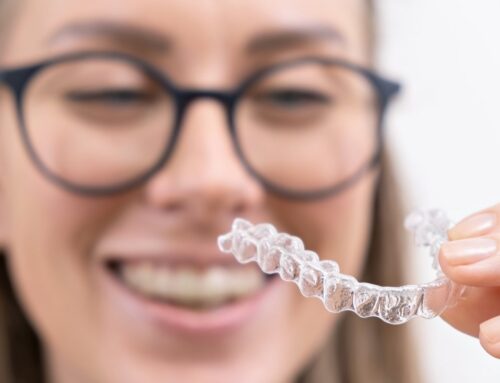
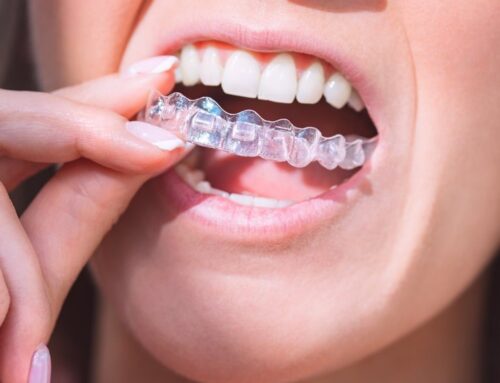
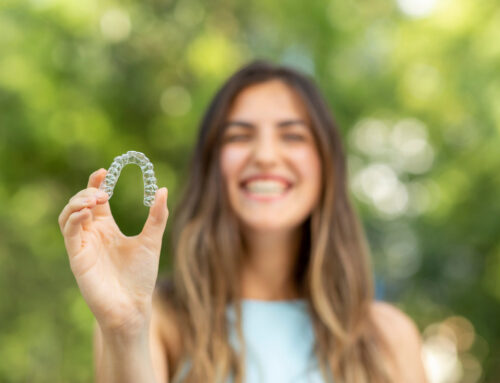
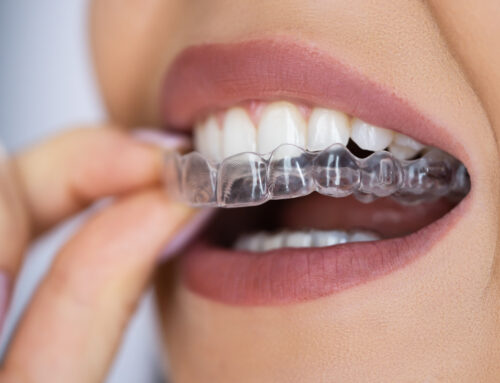
Retainers are the most important tool for maintaining your Invisalign® results. After your teeth move into their new positions, the bone and soft tissue around them need time to stabilize. Without a retainer holding your teeth in place during this period, they can shift back relatively quickly. Your orthodontist provides specific instructions about how long to wear your retainer each day, and following these guidelines precisely is essential for long-term success.
Most patients start by wearing their retainers full-time, similar to how they wore their aligners during treatment. After several months, many transition to wearing retainers only at night. Some patients may eventually reduce wear to a few nights per week, though many orthodontists recommend nightly wear indefinitely to keep teeth in their ideal positions.
Different types of retainers are available, including removable clear retainers that look similar to Invisalign® aligners, traditional wire retainers that fit over your teeth, and permanent retainers bonded to the back of your teeth. Each option has advantages depending on your needs and lifestyle. Permanent retainers provide continuous protection without requiring you to remember to wear them, while removable retainers allow you to clean your teeth more easily and can be replaced if lost or damaged.
How Relapse Happens, and How to Catch It Early
Relapse rarely happens overnight. It usually starts with small, gradual shifts, most often in the lower front teeth, and tends to accelerate once retainer wear becomes inconsistent. Catching subtle movement early, before teeth have shifted significantly, makes correction far simpler than waiting until the change is obvious.
If you notice your bite feels different, your retainer no longer seats fully, or your teeth look slightly crowded compared to right after treatment, these are early warning signs worth mentioning to your orthodontist. Our guide on what to do if teeth shift after orthodontic treatment covers the specific signs to watch for and how minor relapse is typically corrected.
Daily Habits for Long-Term Success
Beyond wearing your retainer consistently, several daily habits help preserve your orthodontic results. These practices protect both your teeth alignment and your overall oral health:
- Maintain excellent oral hygiene by brushing twice daily and flossing once per day to prevent gum disease, which can cause teeth to shift
- Clean your retainer daily according to your orthodontist’s instructions to prevent bacteria buildup and keep it fresh
- Store your retainer in its protective case when not wearing it to avoid loss or damage
- Avoid biting hard objects like ice, pens, or fingernails, which can create pressure that shifts teeth out of alignment
- Stay hydrated and drink plenty of water throughout the day to support healthy saliva production and oral health
Your diet can also affect your results. While you no longer need to remove aligners for eating, being mindful of what you consume helps protect your teeth. Limiting sugary and acidic foods reduces your risk of cavities and enamel erosion, which can compromise tooth structure and alignment over time. If you grind your teeth at night, discuss this with your orthodontist, as a night guard may be necessary to prevent damage and shifting.
If Your Aligners Were Not Quite Enough
Occasionally, a patient’s teeth do not settle exactly where the original treatment plan projected, or minor relapse develops before a retainer routine is fully established. In these cases, a short course of Invisalign® refinements can fine-tune the result with a new set of aligners rather than starting treatment over. Bringing up any concerns about tooth position at your follow-up visits, rather than waiting, gives your orthodontist the best chance to address small issues before they become bigger ones.
Regular Orthodontic Check-Ups
Scheduling regular follow-up appointments with your orthodontist is another key part of maintaining your results. These visits allow your orthodontist to monitor your teeth, check that your retainer fits properly, and address concerns before they become significant problems. Most patients should plan to see their orthodontist every six months to a year after completing treatment, though your specific needs may differ.
During these appointments, your orthodontist examines your bite, assesses whether any teeth have shifted, and evaluates your retainer for wear and tear. Retainers do not last forever, and replacing them when they become worn or damaged keeps them doing their job effectively. If your retainer feels loose, tight, or uncomfortable, contact your orthodontist right away rather than waiting for your next scheduled appointment.
Protect Your Smile with Clemente Orthodontics
Your Invisalign® results do not end when you complete active treatment. Maintaining your new smile requires consistent effort, but the payoff is well worth it. By wearing your retainer as directed, practicing good oral hygiene, and staying connected with your orthodontic team, you can enjoy your straight teeth for a lifetime.
As a Diamond Plus Invisalign® Provider, Clemente Orthodontics is among the top 1% of orthodontists in the country and the number one Invisalign® provider in New York and New Jersey. Our team has helped thousands of patients achieve and maintain their smiles, with convenient locations in Ridgewood, NJ, New City, NY, and Woodcliff Lake, NJ. If you have questions about maintaining your Invisalign® results or need to schedule a follow-up appointment, contact us today.
Frequently Asked Questions About Maintaining Invisalign® Results
How long do I need to wear a retainer after Invisalign®?
Most patients wear their retainer full-time for the first several months, then transition to nights only. Many orthodontists recommend nightly wear indefinitely, since teeth can shift at any point in life if retention stops completely.
What happens if I stop wearing my retainer for a while?
Teeth can begin shifting back toward their original positions within weeks of inconsistent retainer wear. If your retainer no longer fits comfortably after a break, contact your orthodontist rather than forcing it into place.
Are permanent retainers better than removable ones?
Neither option is universally better. Permanent retainers offer continuous protection without relying on memory, while removable retainers are easier to clean around and can be replaced if lost. Your orthodontist can help you decide which fits your lifestyle.
Can teeth shift even years after Invisalign® treatment?
Yes. Teeth can shift throughout life due to retainer wear lapsing, teeth grinding, or natural aging, which is why long-term retainer use and periodic orthodontic check-ups matter even long after active treatment ends.
What should I do if my teeth have already shifted after Invisalign®?
Contact your orthodontist as soon as you notice a change. Depending on how much movement has occurred, options may range from resuming consistent retainer wear to a short course of Invisalign® refinements to correct the shift.

Medically reviewed by:
The Orthodontic Team at Clemente Orthodontics
July 31, 2026
At Clemente Orthodontics our expert dental team takes great care in providing orthodontic treatment and Invisalign solutions for our patients.