 Nighttime teeth grinding can quietly undo even the most carefully planned orthodontic treatment while you sleep. This unconscious habit, medically known as bruxism, generates enough pressure to bend metal, crack enamel, and gradually push teeth out of their carefully guided positions.
At Clemente Orthodontics, our multigenerational family practice has helped countless patients address the relationship between teeth grinding and orthodontic issues since the 1970s. Dr. Michael and his daughters, Dr. Nicole and Dr. Marissa, work together as a seamless team to identify the early signs of bruxism and protect your orthodontic investment.
How Common Is Teeth Grinding?
Bruxism is far more common than most people realize, and many patients grind their teeth without ever being fully aware of it, since the habit most often happens during sleep. According to the Cleveland Clinic, bruxism can happen during the day or at night, and chronic grinding can lead to jaw disorders, headaches, and damaged teeth if it goes unaddressed. Orthodontic patients are in a particularly important position to catch it early, since regular adjustment visits give the orthodontic team frequent opportunities to check for warning signs.
How Teeth Grinding Impacts Orthodontic Treatment
Bruxism creates excessive forces that can significantly interfere with orthodontic care. The constant pressure from grinding gradually pushes teeth out of their proper positions, potentially extending treatment time and affecting results.
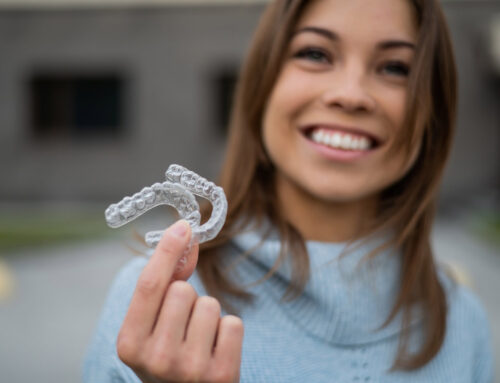
For patients wearing braces, grinding can damage brackets and wires, leading to emergency appointments and delays. Those using Invisalign® may unconsciously clench on their aligners, causing premature wear or even cracking of these custom appliances. In either case, addressing bruxism early helps your treatment plan stay on track.
The Two-Way Relationship Between Grinding and Misalignment
Teeth grinding and orthodontic problems exist in a cyclical relationship where each condition can worsen the other if left unaddressed.
How Misalignment Triggers Grinding
When teeth do not fit together properly, the jaw muscles and brain attempt to find a more comfortable position. This search for comfort can trigger unconscious grinding as the body tries to “wear down” points of interference in the bite.
How Grinding Worsens Alignment Issues
The persistent pressure from grinding gradually moves teeth from their proper positions. As teeth shift, they create new points of interference, which may further increase grinding behavior and create a self-perpetuating cycle of problems.
Common Triggers Beyond Bite Alignment
While misalignment is one contributor to bruxism, it is rarely the only factor. Stress and anxiety are frequently linked to nighttime grinding, and lifestyle factors like caffeine intake, certain medications, and irregular sleep patterns can also play a role. TMJ disorders, which affect the jaw joint itself, often overlap with bruxism as well; our overview of how orthodontics can help with TMJ pain and jaw misalignment explains how these two conditions frequently show up together, and our page on orthodontic solutions for patients with TMJ disorders covers treatment approaches in more detail.
Warning Signs and Diagnosis
Many patients are unaware they grind their teeth until the damage becomes visible or symptoms become severe. Regular orthodontic check-ups play an important role in early detection.
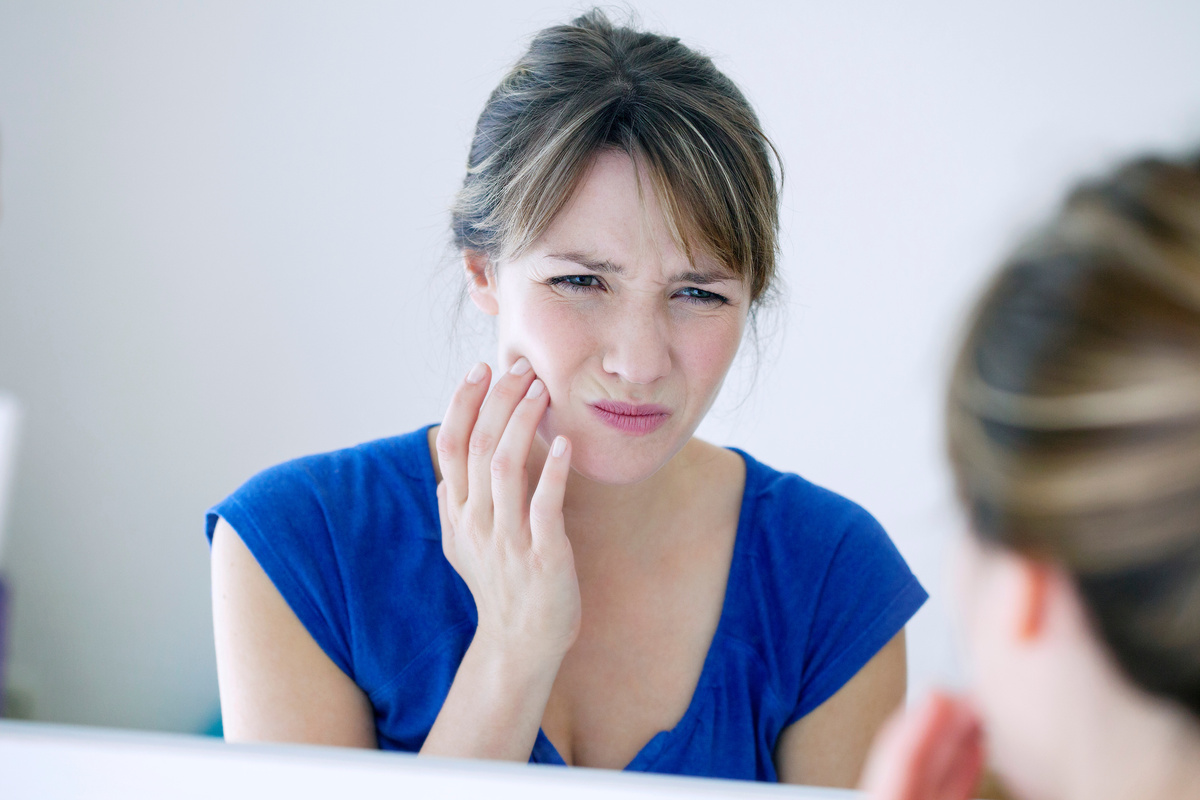
Our orthodontists examine teeth for signs of abnormal wear patterns, which appear as flattened, chipped, or fractured areas, particularly on the biting surfaces. We also assess jaw muscles for tenderness and evaluate joint function for signs of strain. Consider scheduling an evaluation if you experience any of these common symptoms:
- Morning headaches or facial pain
- Increased tooth sensitivity
- Tired or tight jaw muscles
- Disrupted sleep or reports of grinding sounds from sleep partners
- Unexplained wear on teeth or orthodontic appliances
These symptoms often indicate an underlying grinding habit that requires professional intervention to protect your orthodontic treatment. If you already use a nightguard for other reasons, our page on what night guards are and how they protect your smile covers how they hold up alongside braces and Invisalign®.
Protection Strategies During and After Orthodontic Care
Effective management of teeth grinding requires an approach that addresses both the symptoms and the underlying causes.
For patients currently in orthodontic treatment, specialized night guards can be custom-designed to work alongside braces or Invisalign®. These protective appliances distribute grinding forces evenly while helping prevent damage to both teeth and orthodontic hardware. After completing orthodontic treatment, long-term protection becomes just as important, since custom-fitted night guards help preserve your new smile by preventing both grinding damage and the tooth movement that could compromise your results.
Stress management techniques often provide meaningful relief, since emotional tension frequently shows up as physical clenching during sleep. For some patients, addressing an underlying sleep-related airway issue or jaw alignment problem may substantially reduce grinding behavior over time.
Get Help for Your Teeth Grinding and Orthodontic Needs
Do not let teeth grinding get in the way of your progress toward a healthy smile. Early intervention and the right protection strategy can help your orthodontic treatment progress smoothly despite a grinding habit. Our team provides personalized solutions that address both the symptoms and underlying causes of bruxism.
As the number one Invisalign® provider in New York and New Jersey, our team is among the top 1% in the country at treating patients with this technology, and we bring that same level of attention to bruxism management. Schedule your consultation through our contact form.
Frequently Asked Questions About Teeth Grinding and Orthodontic Treatment
Can I wear a night guard with braces or Invisalign®?
Yes. Custom night guards can be designed specifically to work alongside braces or Invisalign aligners, distributing grinding forces evenly while helping protect both your teeth and your orthodontic appliances.
How do I know if I am grinding my teeth at night?
Common signs include morning headaches, jaw soreness, increased tooth sensitivity, and unexplained wear on your teeth or orthodontic appliances. A sleep partner reporting grinding sounds is another common way patients first learn about the habit.
Can teeth grinding delay my orthodontic treatment timeline?
It can. The added pressure from grinding may push teeth out of their planned positions or damage braces and aligners, which can extend treatment time if the habit is not addressed alongside your orthodontic care.
Is teeth grinding always caused by misalignment?
No. Misalignment is one contributor, but stress, certain medications, caffeine intake, and sleep disorders are also common causes. Your orthodontist can help determine which factors are most relevant to your situation.
Do I still need a night guard after my orthodontic treatment ends?
Many patients continue wearing a custom-fitted night guard after treatment to protect their results, since grinding can still shift teeth and damage retainers even once active orthodontic care is complete.

Medically reviewed by:
The Orthodontic Team at Clemente Orthodontics
July 31, 2026
At Clemente Orthodontics our expert dental team takes great care in providing orthodontic treatment and Invisalign solutions for our patients.