 Straight teeth on their own will not cure a sleep disorder, but the way your teeth, jaws, and bite fit together can influence how you breathe, how comfortably you rest, and whether you clench or grind at night. For some people, correcting a narrow upper jaw, a recessed lower jaw, or a bite that keeps the lips apart can support easier nasal breathing and quieter, more comfortable sleep. For others, the sleep problem has nothing to do with tooth position at all. Knowing which situation applies to you is the first step toward the right kind of help.
At Clemente Orthodontics, we look at how your bite and jaw structure work, not just how your smile looks. Dr. Michael Clemente and his daughters lead a multigenerational family practice that takes a whole-patient view of orthodontic services, which means we will tell you honestly when orthodontic care may help with a sleep-related concern and when you should be talking to a physician first.
What Straight Teeth Can and Cannot Do for Your Sleep
Orthodontic treatment changes the position of teeth and, in growing patients, can influence how the jaws develop. Those changes can affect the space available for the tongue, the width of the nasal floor, and how easily the lips rest closed. That is the real connection between orthodontics and sleep, and it is a meaningful one for the right patient.
What orthodontics does not do is diagnose or treat obstructive sleep apnea on its own. According to the American Association of Orthodontists, sleep apnea is diagnosed by a physician, usually with a sleep study, and orthodontists serve as part of a care team rather than the lead provider. If you or your partner notice loud snoring with pauses in breathing, gasping during the night, or severe daytime sleepiness, a sleep medicine evaluation should come first. Our article on how orthodontic treatment relates to sleep apnea explains where orthodontic care can fit into that larger plan.
How Your Bite and Jaw Position Affect Nighttime Breathing
The upper jaw forms the floor of the nose. When it develops narrowly, there is less room for air to move through the nasal passage, and many people compensate by breathing through the mouth. A lower jaw that sits far back can allow the tongue to rest further toward the throat when you lie down. Neither feature guarantees a sleep problem, but both are worth noting during an orthodontic exam.
Tooth position plays a supporting role as well. Front teeth that protrude significantly can make it harder for the lips to close comfortably, which encourages mouth breathing during sleep and can leave you waking with a dry mouth. Our page on airways and orthodontics covers these structural relationships in more detail.
Why Timing Matters for Children
Sleep-disordered breathing can show up at any age, but children have an advantage: their jaws are still growing. Children with a narrow palate may benefit from expansion that widens the upper jaw while the bones are still responsive. Expansion can increase nasal width in growing patients, although research on whether it improves sleep-disordered breathing is mixed, so it is considered alongside a pediatrician or sleep physician rather than as a stand-alone fix. Our post on understanding how jaw alignment impacts breathing disorders walks through the signs parents can watch for and why an evaluation by age 7 is recommended.
Common Sleep Complaints With an Orthodontic Connection
Not every restless night has a dental cause, but a few common complaints are worth mentioning at an orthodontic visit because they can be linked to bite and jaw structure.
- Mouth breathing and dry mouth: Waking with a parched mouth or cracked lips can point to habitual mouth breathing, sometimes linked to a narrow upper jaw or lips that do not close easily over the front teeth.
- Snoring without breathing pauses: Simple snoring has many causes, and a physician should rule out sleep apnea, but jaw position and tongue space can contribute in some people.
- Clenching and grinding: Nighttime grinding can wear enamel and leave the jaw muscles sore by morning. A custom night guard protects the teeth while the cause is evaluated.
- Morning jaw soreness or headaches: These can accompany grinding or a bite that places uneven pressure on the jaw joints, though they also have non-dental causes worth discussing with your doctor.
If any of these sound familiar, bring them up at your consultation. We can look at whether your bite or jaw structure is part of the picture and coordinate with your dentist or physician when something outside orthodontics needs attention.
Orthodontic Options That May Support Better Rest
When a structural issue is contributing to mouth breathing or an uncomfortable bite, treatment is planned around both function and appearance. Traditional braces or clear aligners can reposition teeth to give the tongue more room and help the lips close more naturally. In growing patients, expanders and growth-guidance appliances can address width and jaw position while there is still growth to work with.
Adult orthodontics patients sometimes notice they sleep more comfortably once their bite is corrected, especially if their teeth no longer catch or grind against each other at night. Treatment with braces or Invisalign® can improve how the teeth fit together, but it cannot reshape the adult jaw bones, so the effect on breathing is usually modest. Adults with significant structural concerns may need a broader plan that involves a sleep physician and, in some cases, a surgical consultation.
For adults who have already been diagnosed with sleep apnea, oral appliance therapy is a separate, physician-directed option. These devices hold the lower jaw slightly forward during sleep and are typically prescribed after a sleep study, often for patients who cannot tolerate CPAP. That is different from orthodontic treatment, and the two should not be confused.
Sleeping Comfortably During Orthodontic Treatment
A question we hear often runs the other way: will braces or aligners make it harder to sleep? Most patients sleep normally within a few days. Mild soreness is common for the first night or two after braces are placed or after an adjustment, and an over-the-counter pain reliever approved by your doctor, a soft dinner, and a cool compress usually take the edge off. Orthodontic wax over any bracket that rubs the cheek can also prevent irritation overnight.
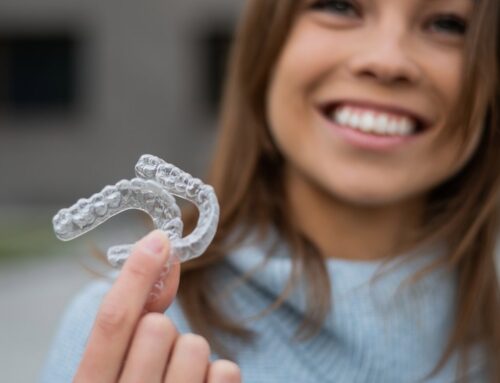
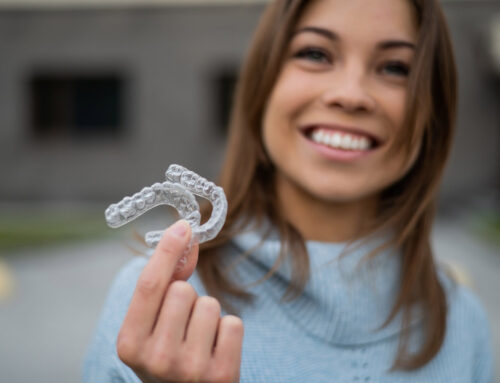
Invisalign® aligners are worn while you sleep, and night hours count toward the recommended daily wear time. Starting a new set of aligners in the evening lets you sleep through the first hours of pressure, which many patients find easier. Once active treatment ends, retainers are often worn at night, which is one of the simplest ways to protect your results. Families with teen orthodontics patients can help by building retainer and aligner wear into the bedtime routine.
Get an Honest Evaluation at Clemente Orthodontics
Our family-run practice has served Bergen and Rockland County communities for more than 50 years, and our approach to sleep-related concerns is straightforward: we look carefully at your bite, jaw structure, and breathing habits, explain what orthodontic care can realistically change, and refer you to the right medical provider when a sleep study or physician evaluation is the better next step. As a Sapphire Invisalign® provider, we bring a high level of aligner experience to every case, and we offer braces, expanders, and other options when they are the better fit.
Whether your main goal is a straighter smile, a more comfortable bite, or simply understanding whether your teeth play a role in how you sleep, the conversation starts with an exam. Schedule your complimentary consultation or reach out through our contact form to visit us in New City, Woodcliff Lake, or Ridgewood.
Frequently Asked Questions About Orthodontics and Sleep
Can straightening my teeth stop me from snoring?
Sometimes, but not reliably. When snoring is linked to mouth breathing or limited tongue space, correcting the bite may help. Snoring has many other causes, so a physician should rule out sleep apnea before you assume orthodontic treatment will solve it.
Is orthodontic treatment a treatment for sleep apnea?
No. Sleep apnea is diagnosed and managed by a physician, usually after a sleep study. Orthodontic care may play a supporting role for some patients, particularly growing children, but it is not a stand-alone treatment for sleep apnea.
Should I wear my Invisalign aligners while I sleep?
Yes. Aligners are designed to be worn about 20 to 22 hours a day, and sleep hours count toward that total. Many patients switch to a new set at bedtime so they sleep through the first few hours of pressure.
Why are my teeth sore at night after a braces adjustment?
Pressure from a new wire or adjustment is usually most noticeable for the first day or two. Soft foods, a pain reliever your doctor approves, and orthodontic wax over any bracket that rubs the cheek can help you rest more comfortably.
Can a palatal expander help my child sleep better?
An expander can widen a narrow upper jaw in a growing child and may make nasal breathing easier. Research on its effect on sleep is mixed, so it works best as part of a plan coordinated with your pediatrician or a sleep physician.
About the Author
Founder, Clemente Orthodontics
Dr. Michael Clemente earned his D.M.D. from Rutgers and a certificate in Orthodontics and Dentofacial Orthopedics. He has practiced orthodontics for more than 50 years, served as an Air Force Captain, and founded the multigenerational family practice now joined by his three daughters.

Medically reviewed by:
The Orthodontic Team at Clemente Orthodontics
October 19, 2026
At Clemente Orthodontics our expert dental team takes great care in providing orthodontic treatment and Invisalign solutions for our patients.