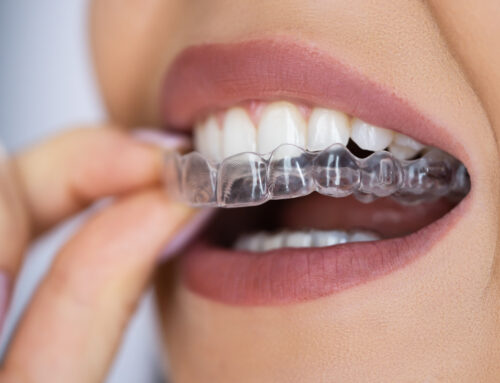
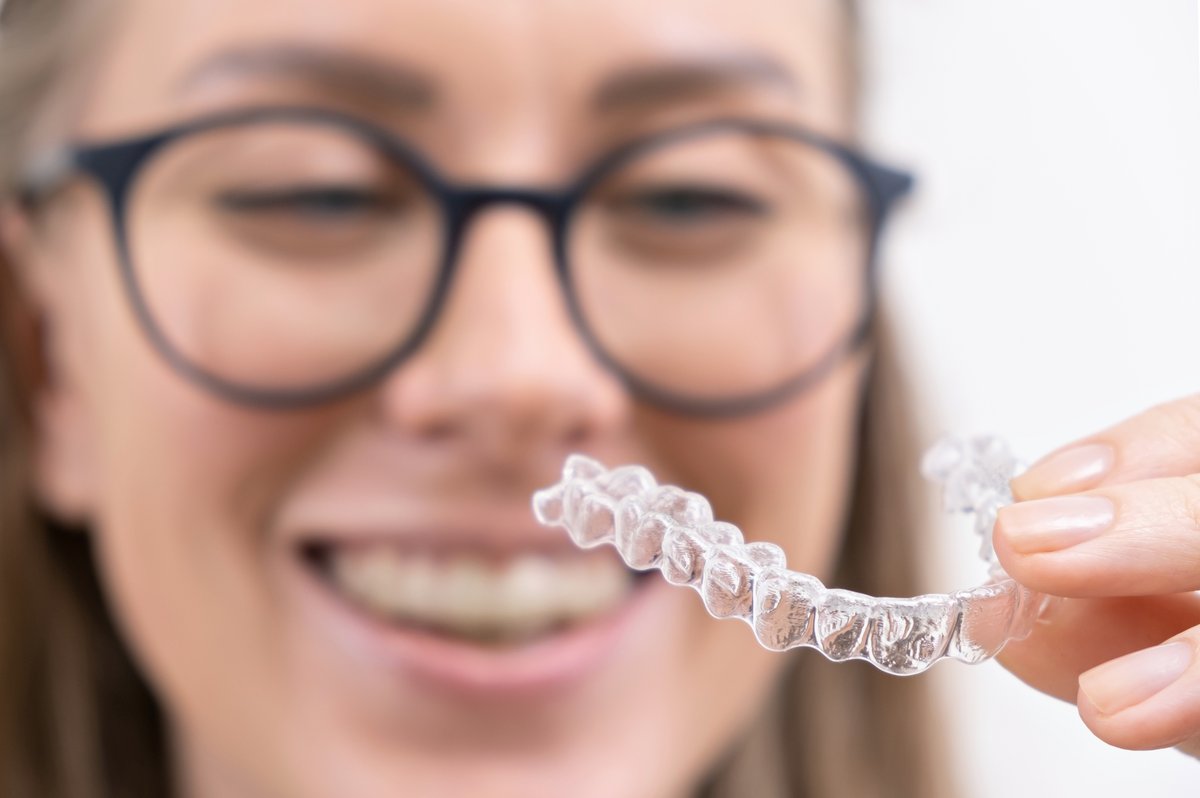
 An aligner that feels loose partway through a tray cycle can feel alarming, especially when the first few days in a new tray felt snug and precise. Teeth are supposed to move during this process, and a tray that once fit tightly can start to feel a little roomier as those teeth shift into their next position. This change in fit is often a sign of normal progress, but it can also raise real questions about whether your treatment is on track.
At Clemente Orthodontics, our team guides patients through what a change in aligner fit usually means and when it calls for a closer look. Our doctors monitor Invisalign® treatment closely at every stage, so you will always have a clear answer about your tray fit rather than guessing on your own.
Why Aligners Loosen as Treatment Moves Forward
Each aligner in a series is built to apply gentle pressure to specific teeth, nudging them a fraction of a millimeter closer to their planned position. Early in a seven-day cycle, that pressure feels firm, sometimes even a bit tight around certain teeth. As the days pass and the teeth respond, the tray naturally feels less snug because the teeth have caught up to where the aligner wants them to be.
Some patients notice the loosening happens faster with certain teeth than others, particularly molars and premolars, which respond to pressure at a different pace than front teeth. A slightly uneven fit across the arch seldom means anything is wrong on its own, though it is still worth mentioning at a visit so our doctors can confirm the movement matches the expected progress.
This pattern is one of the clearest signs a plan is working as designed. A tray that feels tighter on day one and looser by day five or six usually means the teeth moved on schedule. Our doctors check this progression at every visit and compare it against the digital plan mapped out at the start of care.
Signs Your Aligner Fit Needs a Closer Look
Most loosening is expected, but a few patterns need to be brought up promptly rather than waiting for the next scheduled check. Consider the following when a tray feels different than usual:
- The aligner clicks into place but leaves a visible gap around the back molars for several days in a row.
- The tray feels loose the same day it goes in, rather than gradually loosening near the end of the cycle.
- Teeth appear to have shifted further than the current tray was designed to move them.
- The aligner edges feel sharp, cracked, or warped instead of simply less snug.
Telling us about any of these details at a visit gives our doctors the chance to check the plan against the current tray and adjust course early if needed. Waiting too long between trays or skipping a checkup can make small fit issues harder to correct later.
Keeping Treatment Tracking on Schedule
Consistent wear plays one of the biggest roles in how predictably an aligner fits from one week to the next. Research published through the National Library of Medicine found that patients with more consistent aligner wear time showed more predictable treatment outcomes than those with inconsistent wear, highlighting how closely fit and tracking are tied to daily habits. When an aligner is removed often for meals, drinks, or long stretches during the day, teeth have less time to respond, and the next one in the series may feel tight in the wrong places or loose where it shouldn’t be.
Regular check-ins help catch these concerns before they turn into bigger delays. Our practice offers a virtual assessment option for patients who want a quick read on their progress between in-person visits, and our patient information page covers the daily habits that keep treatment moving as expected. Dr. Michael Clemente and his daughters Dr. Dani, Dr. Nicole, and Dr. Marissa Clemente review these details as a family team of orthodontists, so patients see familiar faces throughout care rather than a rotating set of providers.
Small habits add up over the course of a full treatment plan. Removing an aligner for a quick snack here and there may not seem like a big deal in the moment, but those minutes accumulate across weeks and months, and they can shift how each new tray sits in ways that feel confusing without an explanation. Keeping an aligner in for the recommended stretch each day, cleaning it properly, and storing it safely between removals all support the kind of steady, predictable progress patients expect from one stage to the next.
Talk to Clemente Orthodontics About Your Aligner Fit
A tray that feels loose is not automatically a problem, but it is always worth a conversation when something feels off from the usual pattern. Our team reviews tray fit, tooth movement, and timing at every visit so you are never left guessing.
Clemente Orthodontics has served families across Bergen and Rockland County for generations, and our doctors are ready to answer questions about aligner fit at any stage of care. Reach out through our contact form to schedule a visit and get a clear read on your treatment progress.

Medically reviewed by:
The Orthodontic Team at Clemente Orthodontics
September 17, 2026
At Clemente Orthodontics our expert dental team takes great care in providing orthodontic treatment and Invisalign solutions for our patients.