Orthodontic issues like crowded teeth, overbites, and gaps are more than cosmetic concerns. They can affect your comfort, your ability to clean your teeth thoroughly, and your long-term dental health if left untreated. Fortunately, modern orthodontic treatments, including braces and Invisalign®, offer effective, well-established ways to correct these problems and build a healthier, better-aligned smile.
For generations, Clemente Orthodontics has helped families in our community find the right treatment for their specific orthodontic needs. We take pride in personalized care tailored to each patient’s situation, and as a leading Invisalign® provider in New York and New Jersey, our team is equipped to handle everything from simple adjustments to complex bite corrections.
How Common Orthodontic Conditions Are Treated
Orthodontic concerns vary widely from patient to patient, but a handful of issues come up more often than others. Addressing these problems early can help prevent longer-term complications while improving both dental health and the appearance of your smile.
Crowded Teeth
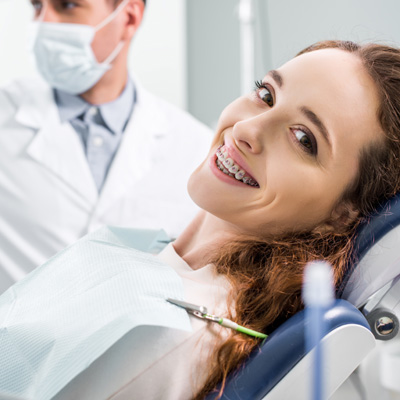
When there isn’t enough room in the jaw for all the teeth to align properly, the result is often overlapping, twisting, or general misalignment. Crowding can make oral hygiene more difficult, which raises the risk of decay and gum disease over time, in addition to affecting how your smile looks. Braces remain a reliable solution, gradually guiding teeth into their correct positions over the course of treatment.
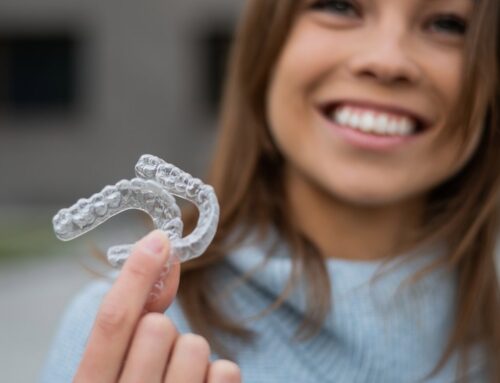
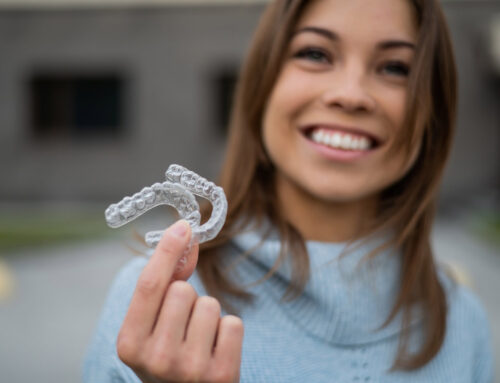
For patients who prefer a more discreet option, Invisalign® offers a nearly invisible alternative that works just as effectively for most cases of crowding. In cases of severe crowding, tooth extractions may be recommended to create the space needed for a fully aligned result.
Overbite
An overbite occurs when the upper teeth cover a significant portion of the lower teeth. Mild overbites are common, but more pronounced cases can lead to jaw discomfort, uneven tooth wear, and difficulty biting or chewing comfortably. Treatment typically starts with braces to gradually realign the teeth. For more significant overbites, additional tools like rubber bands, which help adjust the bite relationship, or in some cases corrective jaw surgery may be needed to achieve a stable, lasting result.
Underbite
An underbite happens when the lower front teeth extend beyond the upper front teeth, which can create problems with chewing, speech, and overall jaw function. Braces or Invisalign® are commonly used to shift the teeth into a healthier alignment. For more pronounced underbites, a surgical approach to correcting jaw position may be recommended to achieve better long-term function and facial balance.
Crossbite
A crossbite occurs when one or more upper teeth sit inside the lower teeth when the jaws close together. Left untreated, this misalignment can lead to uneven tooth wear, gum recession, and even bone loss over time. Depending on severity, treatment options include braces, Invisalign®, or palatal expanders, which gradually widen the upper jaw to correct the bite. More complex cases sometimes call for a combination of these approaches to fully resolve the issue and prevent complications later on.
Gaps Between Teeth
Spaces between teeth can develop naturally or as the result of a missing tooth. While a gap might seem minor, it can affect both bite efficiency and the overall appearance of your smile. Braces and Invisalign® gradually close these spaces by bringing teeth closer together over time. When a gap exists because of a missing tooth, treatment may also include dental implants or bridges alongside orthodontic care to fully restore the smile.
Trusted Orthodontic Care for Every Concern
Choosing the right treatment is key to improving both your dental health and your confidence in your smile. At Clemente Orthodontics, we understand how important it is to address common orthodontic issues with personalized, effective care, and our team brings generations of experience serving families throughout the community. Whether you’re dealing with crowding, a bite problem, or gaps between your teeth, we’ll guide you through every step of your treatment.
As a leading Invisalign® provider in New York and New Jersey, we offer advanced treatment options tailored to your specific needs, from straightforward adjustments to more complex corrections. Ready to take the next step? Contact our New City office at (845) 638-6646, our Woodcliff Lake office at (201) 484-0600, or our Ridgewood office at (201) 447-2888. You can also reach us through our contact form.
Frequently Asked Questions About Common Orthodontic Issues
How do I know which orthodontic issue I have?
Many orthodontic issues, such as overbites, underbites, and crossbites, can look similar to an untrained eye but require different treatment approaches. An in-person evaluation with digital imaging is the most reliable way to determine exactly which issue is present and what treatment will work best for your specific bite.
Can Invisalign® treat the same issues as traditional braces?
Invisalign® can effectively treat most cases of crowding, spacing, and mild to moderate bite issues. More severe bite problems, such as significant underbites or crossbites, sometimes respond better to traditional braces or a combination of approaches, which your orthodontist can help determine during your evaluation.
Do all crossbites and underbites need jaw surgery?
No. Many crossbites and underbites can be corrected with braces, Invisalign®, or palatal expanders alone. Surgery is generally reserved for more severe cases where jaw positioning itself needs to be corrected, not just the position of the teeth.
What happens if crowded teeth are left untreated?
Untreated crowding can make it harder to thoroughly clean between teeth, which raises the risk of tooth decay and gum disease over time. It can also contribute to uneven wear on certain teeth as they shift under the pressure of overlapping neighbors.
How are gaps from a missing tooth treated differently than natural spacing?
Natural spacing between teeth can usually be closed with braces or Invisalign® alone. When a gap exists because a tooth is missing, treatment often needs to combine orthodontic care with a restorative solution, such as a dental implant or bridge, to fully close the space and restore function.

Medically reviewed by:
The Orthodontic Team at Clemente Orthodontics
July 30, 2026
At Clemente Orthodontics our expert dental team takes great care in providing orthodontic treatment and Invisalign solutions for our patients.