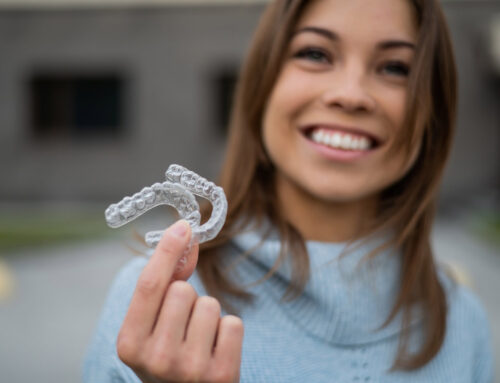
 Speech and smile confidence are more connected than most people realize, since the position of your teeth directly shapes how air and sound move through your mouth. Imagine feeling held back in conversations or presentations because of concerns about how you sound or how others perceive your smile. Many of us have been there, facing moments where confidence takes a back seat due to speech challenges or self-consciousness about our teeth. Correcting the underlying alignment can address both concerns together.
At Clemente Orthodontics, we understand how interconnected your smile and speech are, and we are here to help you work toward clearer speech and greater confidence. Whether it involves realigning your bite or closing gaps that affect pronunciation, orthodontic treatment can do more than change your smile; it can change the way you feel every time you speak. We have been helping patients throughout New York and New Jersey with concerns that go beyond aesthetics for decades.
How Orthodontic Issues Affect Speech
Dental alignment can dramatically affect a patient’s speech clarity. Healthy teeth meet and create seals or points of contact with each other, and your tongue relies on those contact points to form certain sounds correctly. When someone has improper spacing due to a bite issue, they are more likely to overcompensate with their tongue placement. When the tongue is not used as intended while speaking, there is more risk of mistakes, unclear sounds, or being misunderstood.
Specific alignment issues tend to affect specific sounds. An open bite, where the front teeth do not touch when the back teeth are closed, commonly contributes to a lisp because the tongue can slip between the front teeth during “s” and “z” sounds. A significant overbite or gap between the front teeth can affect “f” and “v” sounds, since the lower lip and upper teeth no longer meet where they should. Crowding or crossbites can create a whistling sound on “s” sounds as air escapes through unintended gaps. Recognizing which sounds give you trouble can help your orthodontist connect your speech concerns to a specific alignment issue during your evaluation. Published research on malocclusion and speech sound production has found that an open bite is the alignment trait most closely linked to sound distortions, particularly with “s” sounds, which lines up with what many patients experience.
Orthodontic Treatments That Can Improve Your Confidence
Orthodontic treatment can improve your confidence whether you want a more aesthetically pleasing smile or want to correct speaking issues like lisps, whistling, or difficulty pronouncing specific sounds. Invisalign®, among other orthodontic treatments, is an excellent option that can support both goals at once.
Treatment can correct alignment and improve pronunciation by addressing overbites, underbites, crossbites, jaw alignment, and other issues in the oral cavity. Traditional braces and clear aligners both work by gradually repositioning the teeth so that the tongue has the contact points it needs to form sounds correctly. If speech and appearance concerns overlap for you, our guide to how orthodontic treatment can improve speech and pronunciation goes deeper into the mechanics behind specific sound corrections.
What to Expect During Treatment
Many patients notice their speech shifting as their teeth move, and this is a normal part of the adjustment period rather than a sign of a problem. With Invisalign® in particular, most patients experience a brief, temporary lisp during the first few days of wearing a new set of aligners, as the tongue adjusts to the slightly different shape in the mouth. This typically resolves within a few days as the tongue adapts.
Practicing reading out loud for a few minutes each day during the early days of a new aligner or after a bracket adjustment can speed up this adjustment period. Speech generally becomes clearer as treatment progresses and the teeth settle into healthier positions, and any residual speech concerns can be discussed with your orthodontist at your regular check-ins.
Confidence Beyond the Chair
The benefits of clearer speech and a straighter smile tend to extend well past appointments. Patients often describe feeling more comfortable speaking up in meetings, presenting in front of a group, or simply smiling in photos once alignment issues affecting their speech and appearance are addressed. These changes build gradually over the course of treatment rather than all at once, which is part of why staying consistent with aligner wear or bracket appointments matters.
What Makes Clemente Orthodontics the Right Choice for Your Treatment
At Clemente Orthodontics, we believe a confident smile is more than an aesthetic improvement; it can be a change that affects many parts of daily life. Our team has served New York and New Jersey for decades, offering solutions like Invisalign® to address concerns from speech clarity to bite alignment. As a Diamond Plus Invisalign® Provider, we are among the top 1% in the nation, and our family-run approach to care means your treatment plan is built around your specific goals rather than a one-size-fits-all protocol.
We build personalized care plans that go beyond straightening teeth to support speech, confidence, and overall quality of life. Whether you are working through alignment issues or simply want to smile more confidently, our team can help you set realistic goals for your treatment. Contact our family-run practice to begin your evaluation at one of our convenient locations by visiting our contact form to get started.
Frequently Asked Questions About Orthodontics, Speech, and Confidence
Can orthodontic treatment actually fix a lisp?
When a lisp is caused by dental alignment, such as an open bite or gap between the front teeth, correcting that alignment with braces or Invisalign can improve or resolve the speech issue. A lisp with a different underlying cause may need input from a speech-language pathologist alongside orthodontic care.
Will Invisalign make my speech worse before it gets better?
Many patients notice a mild, temporary lisp during the first few days of wearing a new aligner as the tongue adjusts. This typically fades within a few days as you adapt, and practicing reading aloud can help speed up the adjustment.
Which orthodontic issues most commonly affect speech?
Open bites, significant overbites, gaps between the front teeth, and crowding are among the most common issues linked to speech difficulties, since each changes how the tongue and lips make contact during certain sounds.
How long does it take to notice a speech improvement during treatment?
This varies by case, but many patients notice gradual improvement as teeth move into better positions over the course of treatment, rather than an immediate change. Your orthodontist can give you a more specific idea based on your treatment plan.
Should adults consider orthodontic treatment for speech concerns?
Yes. Orthodontic treatment is not limited to children or teens, and many adults choose treatment specifically to address speech clarity alongside smile appearance. A consultation can help determine whether alignment is contributing to your specific speech concern.

Medically reviewed by:
The Orthodontic Team at Clemente Orthodontics
July 31, 2026
At Clemente Orthodontics our expert dental team takes great care in providing orthodontic treatment and Invisalign solutions for our patients.