 If your child’s orthodontist has mentioned a palate expander, your first questions are probably about what it does, how it works, and whether it’s really necessary. A palate expander is a custom appliance that widens the upper jaw over time by applying gentle, steady pressure along the natural joint in the center of the roof of the mouth. Because that joint has not yet fully fused in growing children, the two sides of the upper jaw can be gradually guided apart, allowing new bone to fill in and permanently widen the arch. It is one of the most effective tools available for addressing jaw development issues before they become much harder to treat.
At Clemente Orthodontics, we have been providing early orthodontic care to families across Bergen and Rockland Counties for decades, with locations in New City, Woodcliff Lake, and Ridgewood. Our team, led by Dr. Michael Clemente and his daughters Dr. Nicole and Dr. Marissa, takes a thorough, thoughtful approach to every young patient. When a palate expander is recommended, it is always part of a carefully planned treatment strategy tailored to your child’s growth and development. Before diving deeper, parents who want a broader picture of what early intervention may involve can find helpful context on our early orthodontics page.
Why Would a Child Need a Palate Expander?
A narrow upper jaw can lead to a range of issues that go beyond crowded teeth. When the upper arch is too small, the upper and lower teeth cannot come together properly, which can create what is called a crossbite. This is when one or more upper teeth sit inside the lower teeth when biting down, rather than outside. Left untreated, a crossbite can place uneven stress on the jaw joints, affect how the face develops, and make it harder to correct things later without surgery.
According to the American Association of Orthodontists, the appropriate use of a palate expander may help patients avoid tooth removal, tooth impaction, or other complications when the issue is identified while a child is still growing. Expansion works by taking advantage of a natural window in development. Once that joint in the palate fully fuses, typically in the early teenage years, this kind of non-surgical widening is no longer possible.
How Does the Expansion Process Work?
Most palate expanders are fixed appliances, meaning they are cemented to the upper back teeth and remain in place throughout treatment. A small key is used to turn a screw in the center of the device, usually once a day or as directed by the orthodontist. Each turn applies a small amount of pressure that slowly encourages the two halves of the upper jaw to move apart. The active expansion phase typically takes several weeks, after which the expander remains in place for a few months to allow new bone to grow in and stabilize the result.
A Proprietary Alternative: Our Growth Modifying Appliance
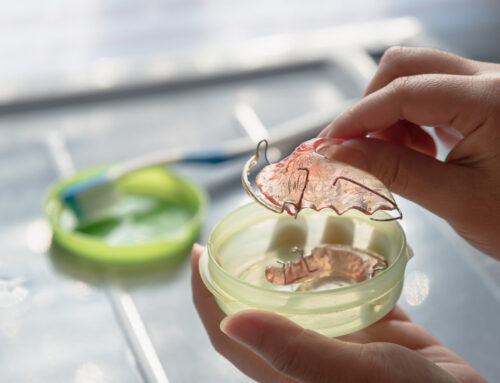
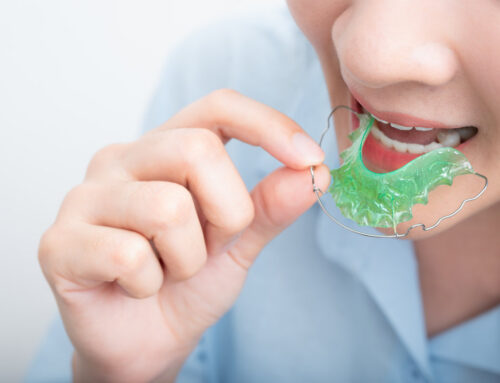
For some patients, a fixed palate expander is not the right fit. Dr. Michael Clemente developed our proprietary Growth Modifying Appliance over 35 years ago in response to the limitations he observed with conventional expansion methods, particularly around discomfort, hygiene challenges, and dietary restrictions. This removable appliance works by applying gentle, consistent pressure to stimulate natural palate growth, allowing the arch to develop without the need for periodic manual adjustments.
Because the appliance is removable, children can take it out for meals and brushing, which eliminates the cleaning difficulties that come with cemented expanders and places no restrictions on what your child can eat during treatment. The design also incorporates over 30 color options, which gives younger patients a sense of ownership over their treatment and tends to improve how consistently they wear it. You can learn more about how this approach fits into Phase 1 treatment on our slow growth modification page.
The gradual, controlled force of the Growth Modifying Appliance allows the surrounding bone structure to adapt at a natural pace, which supports more stable long-term results. Patients generally report significantly less discomfort compared to traditional expander experiences, and many families appreciate that the process works with their child’s daily routine rather than around it. For teen orthodontics patients in particular, the ability to remove the appliance for important social occasions can make a meaningful difference during those formative years.
When Is the Right Time to Start?
Timing matters considerably with palate expanders. The ideal window for this type of treatment is typically between the ages of 7 and 12, while the mid-palatal joint is still active and responsive. This is one reason the AAO recommends that children have their first orthodontic evaluation by age 7. Early evaluation does not mean early treatment in every case. For many children, the visit simply gives us a baseline so we can monitor growth and act at the right moment if needed.
There are several signs that a child may benefit from an evaluation sooner rather than later. These include:
- Upper teeth that bite inside the lower teeth on one or both sides
- Crowded or overlapping permanent teeth as they come in
- Difficulty chewing or an uneven bite
- A jaw that shifts to one side when closing
These signs do not automatically mean a palate expander is required, but they do warrant a closer look. The earlier a developing issue is identified, the more options are available for addressing it without more involved treatment down the road. Our page on the benefits of early orthodontic treatment for children goes into further detail on what proactive care can accomplish.
Does a Child Still Need Braces After an Expander?
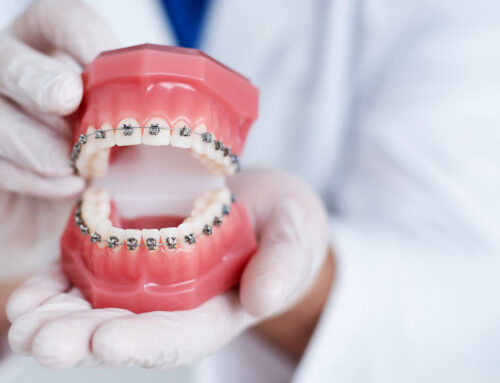
In most cases, a palate expander is considered a first phase of treatment rather than a standalone solution. Its job is to create the right foundation: enough arch space and proper jaw alignment so that when all the permanent teeth come in, there is room for everything to fit well. A second phase of treatment, often involving braces or another orthodontic appliance, typically follows once most of the permanent teeth are in place.
The good news is that children who complete expansion treatment often have a shorter, less complex second phase because the groundwork has already been done.
Start Your Child’s Orthodontic Evaluation at Clemente Orthodontics
Palate expanders are a well-established, effective tool when used at the right time and for the right reasons. For families in New York and New Jersey, catching jaw development concerns early can mean the difference between a straightforward course of treatment and a more involved one later on. A timely evaluation is the best way to know what your child needs and when.
The orthodontists at Clemente Orthodontics, Dr. Michael Clemente, Dr. Nicole, and Dr. Marissa, bring multigenerational experience and a genuine commitment to long-term results for every young patient they see. As a family practice serving Bergen and Rockland Counties since the 1970s, we approach early treatment with the same care and attention we bring to every case. To schedule a complimentary consultation for your child, contact our office or fill out our online form today.

Medically reviewed by:
The Orthodontic Team at Clemente Orthodontics
April 7, 2026
At Clemente Orthodontics our expert dental team takes great care in providing orthodontic treatment and Invisalign solutions for our patients.