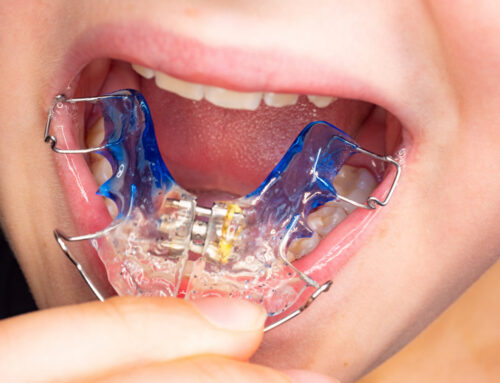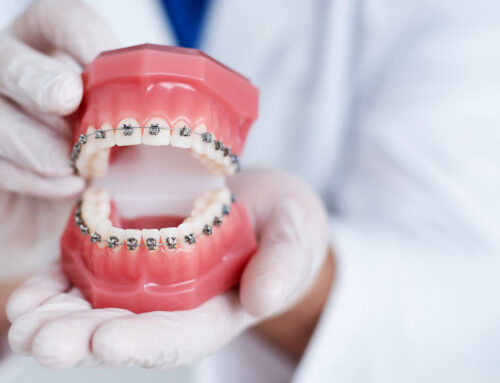
Your orthodontic treatment has transformed your smile, but the work isn’t finished once your braces or Invisalign® come off. Teeth naturally want to shift back toward their original positions, and without proper retention, months or years of progress can be lost. The phase after your active treatment ends is just as vital as the alignment itself—your teeth need time to settle into their new positions while the surrounding bone and tissues adapt.
At Clemente Orthodontics, we provide comprehensive retainers to protect your investment and maintain your beautiful results. As Sapphire Invisalign® providers treating more patients than 99% of orthodontists nationwide, we understand that successful orthodontic outcomes depend on proper retention. Our three-generation family practice has been serving patients in Bergen and Rockland Counties for decades, and we’ve seen firsthand how diligent retainer wear makes all the difference in preserving that straight, confident smile you’ve worked so hard to achieve.

Why Are Retainers Necessary After Orthodontic Treatment?
After your teeth have been moved into their ideal positions, they’re not immediately stable in their new locations. The bone surrounding your teeth needs several months to solidify and adjust to these changes. During this critical stabilization period, teeth are especially prone to drifting back toward where they started — a process orthodontists call relapse.
Even after the initial stabilization phase is complete, your teeth face ongoing pressure throughout your lifetime. According to the American Association of Orthodontists, the muscles around your mouth may tighten as you age, creating forces that can cause shifting or crowding. Natural changes occur in everyone’s mouth over time, whether they’ve had orthodontic treatment or not. This means that retention isn’t just a short-term commitment — it’s an ongoing responsibility for anyone who wants to maintain straight teeth for life.
How Should You Wear Your Retainer?
The wearing schedule for your retainer depends on several factors, including the type of treatment you received, how much your teeth were moved, and how your mouth responds during the retention phase. Generally, we recommend wearing your retainer full-time (removing it only for eating, drinking anything other than water, and brushing your teeth) for the first several months after your braces or Invisalign® treatment is complete.
After this initial period, most patients can transition to wearing their retainer only at night. However, every case is unique. Some situations — such as teeth that were significantly rotated, spaces that were closed, or certain bite corrections — may require more intensive retention schedules. We’ll provide you with specific instructions tailored to your individual needs and monitor your progress through regular follow-up appointments.
The most important thing to remember is consistency. Missing even a few nights of retainer wear can allow enough movement that your retainer becomes uncomfortable or stops fitting properly. If this happens, contact our office right away rather than forcing the retainer to fit, as your teeth may have shifted enough to require additional treatment.
What Are the Best Practices for Retainer Care?
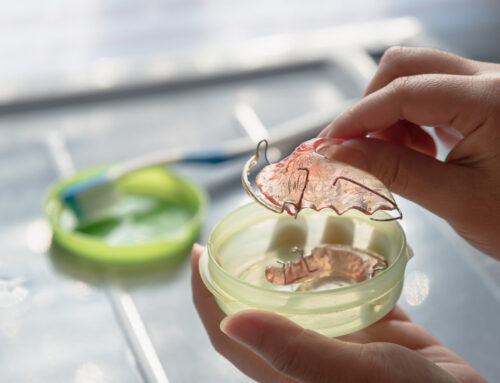
Proper care extends the life of your retainer and protects your oral health. Clean your retainer daily using a soft-bristled toothbrush with mild liquid soap or toothpaste. Brush gently to remove any buildup without scratching the material. You can also use effervescent denture cleaner or specialized retainer cleaning products like Retainer-Brite once or twice a week to eliminate stubborn residue and keep your retainer fresh.
Always rinse your retainer thoroughly with lukewarm water after cleaning to remove all soap or cleaning solution residue. Never use hot or boiling water, as heat can warp the plastic and change the shape of your retainer, making it unusable. For the same reason, keep your retainer away from heaters, dishwashers, clothes dryers, car dashboards, and direct sunlight — any environment above 115°F can distort the material.
When your retainer is not in your mouth, it should always be in its protective case. This simple habit prevents the most common causes of retainer loss and damage. Never wrap your retainer in a napkin at restaurants or school cafeterias, as it can easily be mistaken for trash and thrown away. Don’t leave it in your pocket or purse where it can get crushed or bent. Keep your retainer away from pets who are attracted to the smell and texture and will happily chew it to pieces.
How Do You Maintain Oral Hygiene With Retainers?
If you have removable retainers, continue brushing and flossing your teeth as normal before putting your retainer back in. Make sure your teeth are completely clean and dry before inserting your retainer to prevent trapping food particles or bacteria against your teeth, which could lead to cavities or gum irritation.
For patients with permanent retainers — thin wires bonded behind the front teeth—oral hygiene requires a bit more attention. Regular flossing becomes more challenging with a fixed wire, so we recommend using floss threaders or interdental brushes to clean between your teeth effectively. Some patients find superfloss particularly helpful for navigating around fixed retainers. Our team will demonstrate proper cleaning techniques during your retention appointments to ensure you can maintain excellent oral health.
Regular dental cleanings and checkups become even more important during the retention phase. Your general dentist should check your retainer’s condition and the health of the surrounding tissues at each visit. Clear communication between our office and your dentist ensures that any issues with your retainer or tooth movement are caught early and addressed promptly.
When Should You Contact Your Orthodontist About Your Retainer?
Contact our office immediately if your retainer breaks, cracks, or becomes damaged in any way. A broken retainer cannot hold your teeth properly, and delaying replacement gives your teeth time to shift. If you notice your retainer feels tighter than usual or causes discomfort when you put it in, this may indicate your teeth have moved. Don’t try to force the retainer to fit — call us for an evaluation instead.
If your retainer is lost or stolen, reach out to us as soon as possible. Every day without a retainer allows your teeth to drift, and waiting too long may mean your replacement retainer won’t fit properly or that you’ll need additional treatment to realign your teeth. Never attempt to adjust or modify your retainer yourself by bending wires or trimming plastic, as this can compromise its fit and effectiveness.
Bring your retainer to every follow-up appointment at Clemente Orthodontics, even if you think it’s working fine. We need to examine the retainer’s fit, check for wear and tear, and assess whether your teeth are remaining stable. These monitoring visits are included in your treatment plan for the first year after your active treatment ends.
Keep Your Smile Beautiful for a Lifetime
Your retainer is the key to preserving the smile you’ve achieved through orthodontic treatment. By wearing it consistently as prescribed and caring for it properly, you protect the time, effort, and investment you’ve made in your oral health. At Clemente Orthodontics, we’re committed to helping you maintain your results for life through comprehensive retention care and ongoing support.
Ready to discuss your retention plan or need a replacement retainer? Contact us today to schedule your appointment. Our team at our New City, Woodcliff Lake, and Ridgewood locations is here to answer your questions and ensure your smile stays straight and beautiful.

Medically reviewed by:
The Orthodontic Team at Clemente Orthodontics
February 16, 2026
At Clemente Orthodontics our expert dental team takes great care in providing orthodontic treatment and Invisalign solutions for our patients.